
Composting at Home with Eco Tools Made Simple
Turning food scraps and yard waste into soil at home uses basic eco tools like countertop bins, compost tumblers, or aerating forks. Most households produce two to five kilograms of compostable waste each week, but seasonal changes or family size can double these amounts. The process works fastest with the right balance of green and brown materials, while poor ventilation or excess moisture can slow it down. Results include dark, crumbly compost in three to six months, plus lower trash bills and less landfill waste. The most effective changes happen with the right tools:
- Aerated bins – holes or vents keep air flowing to speed breakdown and prevent smells
- Compost tumblers – rotating drums make mixing easy and reduce pest problems
- Biodegradable liners – these bags let scraps move cleanly from kitchen to pile without adding plastic
- Hand aerators – simple tools that stir the heap, improving oxygen and heat
Regular use of such tools leads to faster, cleaner compost and a steady supply of natural fertilizer for plants.
Which eco tools actually improve composting

Aerated bins and sturdy turning tools transform kitchen waste into compost much faster than open piles alone. While many products promise better results, some offer little more than a fresh look or extra cost. Compost success depends more on reliable aeration and moisture control than on expensive gadgets.
Must-have tools for beginners
Compost piles left unmanaged often attract pests or develop unpleasant smells. Well chosen eco tools tackle these issues by speeding decomposition and keeping the process contained.
- Aerator tools break up compacted material and boost airflow, cutting down on odor.
- Lidded compost bins with tight seals keep rodents and insects out.
- Compost thermometers pinpoint when the pile needs turning or extra moisture.
- Stainless steel kitchen caddies prevent leaks and simplify collecting food scraps.
- Aerators can be awkward in small bins and need space to use effectively.
- Sealed bins limit the pile size and may slow decomposition in cold weather.
- Metal caddies develop rust if not cleaned often enough.
- Thermometers add cost and are easy to misplace in outdoor setups.
These tools save the most time and mess for households with limited yard space or frequent food scraps. Stainless steel caddies with removable liners cut cleaning time and keep kitchens odor free.
Tools that are nice but not required
A tumbler style composter can cut down turning time but becomes unnecessary for small batches that fit in a basic bin. Households producing only a few liters of scraps each week often see little benefit from extra gear, yet some eco tools streamline awkward steps or solve minor annoyances:
- Compost thermometer – tracks internal heat to catch cool spots early
- Biodegradable liners – make bucket transport cleaner, though add extra cost
- Compost aerator – stirs layers in deep bins with less effort than a shovel
- Mesh screen – separates finished compost from large debris and stones
- Solar powered fan – speeds drying in shaded locations with poor airflow
A solar fan or aerator changes the process for those with large, damp bins but adds little in a dry climate or a container system. Compost thermometers prove their worth when troubleshooting slow breakdowns after a cold spell.
Essential tools like sturdy bins and aerators actually speed up breakdown and prevent mess. Optional accessories often add convenience but rarely improve the finished compost itself.
What can and cannot go in your compost
Kitchen scraps like fruit peels and coffee grounds can boost compost quality, but some common items disrupt the process or attract pests. Confusion often arises with so-called biodegradable products and eco tools marketed as compostable. Missteps can result in unpleasant odors or unusable compost.
Safe materials for home composting
Fruit and vegetable scraps, coffee grounds, eggshells, and grass clippings tend to break down efficiently in a typical home compost bin. These materials provide a balance of carbon and nitrogen that speeds up decomposition and keeps odors under control.
- Fresh produce waste degrades quickly and adds moisture
- Coffee grounds boost nitrogen and help maintain microbial activity
- Eggshells supply calcium, reducing soil acidity
- Grass clippings increase heat, accelerating the composting process
- Citrus peels can slow microbial action if added in large amounts
- Grass treated with herbicides or pesticides contaminates compost
- Eggshells that are not crushed may remain visible for months
Home compost piles rarely reach the high temperatures needed to break down meat, dairy, or oily foods safely. Chopping kitchen scraps into smaller pieces shortens the time needed for full decomposition.
Common items that cause problems
Even a small amount of the wrong material in a compost pile can introduce persistent odors or attract animals. Some items that seem natural can disrupt decomposition or leach harmful substances into the finished compost.
| Amount or Type | Problem Caused | Attracts Pests? | Breakdown Time or Outcome |
|---|---|---|---|
| Handful of bread or pasta | Ferments and molds quickly | Yes–rodents and insects | Several weeks, leaves residue |
| Bones from meat preparation | Do not break down under home conditions | Yes–rats, raccoons | Years, fragments remain |
| Citrus peels in bulk | Slow to decompose and can acidify pile | Rarely, but deters worms | Months, may persist whole |
| Glossy magazine paper | Contains synthetic inks and coatings | No, but leaves toxins | Does not break down fully |
| Two large handfuls of lawn weeds with seeds | Seeds survive typical compost heat | No, but causes weed spread | Weeks for green matter, seeds remain |
| Avocado pits or peach stones | Extremely tough, resist decay | No | Over one year, often intact |
| One cup of cooking oil or fat | Coats materials, blocks air, slows process | Yes–flies and rodents | Months, sticky mass remains |
Anything larger than a walnut that is dense, oily, or animal-based should be kept out. Small seeds or glossy paper persist even in bins turned every ten days.
Sorting materials correctly keeps compost healthy and free of contaminants. Items labeled compostable sometimes need industrial facilities instead of a backyard pile.
How to avoid composting odors and pests
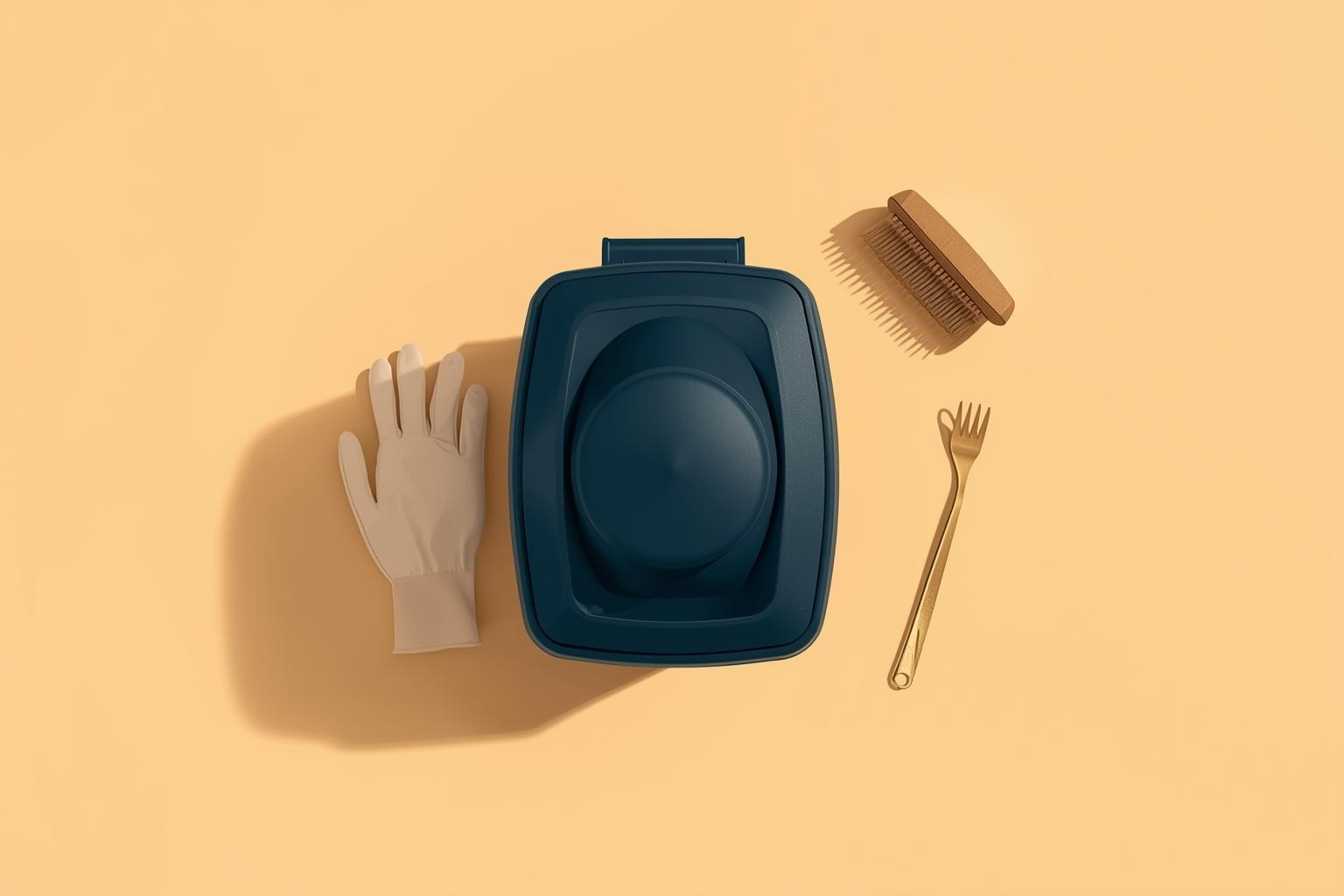
Rotten smells and flies often signal a compost pile that has gone too wet or lacks enough air. Incorrect layering or ignoring kitchen scraps like meat can quickly draw rodents or maggots. The sequence below highlights practical measures that tackle these issues directly:
- Add dry brown materials such as shredded cardboard or dead leaves after every layer of fruit or vegetable waste.
- Turn the compost with a sturdy fork or aerator tool once a week to boost airflow and break up clumps.
- Cover food scraps with a layer of soil or finished compost to mask odors and discourage flies.
- Store kitchen scraps in a sealed container until ready to add them, especially during hot weather.
- Exclude meat, dairy, and oily foods from the pile, since these attract animals and create persistent smells.
Covered bins or tumbler systems cut down on pest access and keep odors contained. Shredding larger pieces before composting helps them break down faster and reduces the risk of sour pockets forming.